
Cat Litter Box Basics
- Litter Box Basics – The selection, placement and maintenance of a litter box can be just as important as the litter that fills it for a cat's overall health and well being.
- Cleanliness is very important to most cats. Certain cats may demand that their boxes be cleaned every day (in some cases, even more frequently), while others may be happy to go a week or more between scooping. In general, daily maintenance, even with a clumping litter, is recommended. Even if the box doesn't seem to need it, daily cleaning can keep cat owners in tune with urine volume and stool quality, which are often the first indicators of potential health problems like Feline Lower Urinary Tract Disorder or kidney failure. Early veterinary care can be the key to helping cats deal with these problems.
- Location of the litter box is also important. An ideal location is both protected and accessible. When entering and exiting the box, the cat should have every opportunity to avoid ambush from other cats, dogs and children. Try to avoid things that may frighten the cat when they come on automatically, like furnaces.
- The number of boxes is determined by the number of cats in the household. Feline behaviorists generally recommend the number of boxes be equal to the number of cats plus one, e.g., two cats should have three litter boxes. If aggression between cats begins to manifest around the litter box and elimination, try adding an additional box in a new location. Often, this will defuse the problem.
- Signs that a Cat may Dislike its Litter - Cats don't speak, but if a cat is dissatisfied with his litter, he has ways to make himself understood. Your cat may use any of the following behaviors to express his displeasure:
- Meowing when approaching the box.
- Perching on the side of the pan.
- Shaking his feet a lot when leaving the litter box.
- Not digging holes or covering waste.
- Occasionally urinating or defecating in other places.
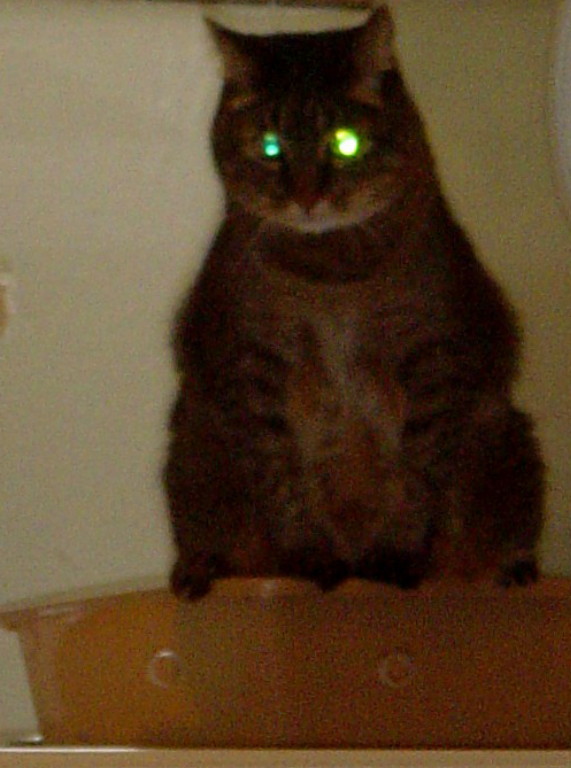
Each cat is unique and any of the above behaviors may be normal for a given cat. Also, your cat may be perfectly happy with her current cat litter, yet display these behaviors merely as a way of saying that it's time to clean the litter box.
- If a Cat Suddenly Stops Using the Litter Box and begins to urinate or defecate in other areas of the house, it may be cause for concern. Such behaviors may be a sign of Feline Lower Urinary Tract Disorder FLUTD) or inadequate water consumption. If a cat is experiencing pain when urinating or defecting, it may associate that pain with the litter box itself, and so try urinating/defecating in other places in an attempt to avoid the pain. If you suspect that your cat is consuming inadequate water, has or is developing a FLUTD, it’s time to consult your cat veterinarian.
- A Cat is a Bundle of Preferences – While feline health, human health, and the environment are all important to consider when selecting a litter, the number one consideration is - will your cat will like, and therefore use, the litter in its box. In most cases, a cat can be switched from a less healthy to a healthier litter. Still, if your cat prefers a litter that isn't quite as healthful or environmentally friendly the best option for the peace and health of the household may be to keep your cat on that litter.